

How Much to Keep in Checking?
Knowing how much to keep in checking is an important part of managing your personal finances. Your checking account is usually the account you use for everyday expenses, bill payments, subscriptions, debit card purchases, and other regular transactions. Keeping too little can cause overdrafts or missed payments, while keeping too much may mean money that could potentially be used for savings or other financial goals remains in a low-interest account.
There is no single checking account balance that works for everyone. The right amount depends on your monthly expenses, income schedule, upcoming bills, emergency savings, financial goals, and how predictable your cash flow is.
A practical approach is to keep enough money in checking to cover your upcoming expenses while maintaining an additional cash cushion for unexpected or variable costs. Your emergency fund and long-term savings can generally be kept separately so your checking account remains focused on short-term spending.
How Much Money Should You Keep in Checking?
For many people, keeping enough money to cover one month of regular expenses plus a reasonable buffer can be a useful starting point. However, your ideal balance may be higher or lower depending on how frequently you receive income and when your bills are due.
For example, if your regular monthly expenses are $3,000, you might decide to keep approximately $3,000 to $4,000 in checking. This could cover normal monthly spending while providing some room for unexpected expenses or changes in timing.
Someone with very predictable income and expenses may need a smaller buffer. Someone with irregular income, large upcoming bills, or frequent fluctuations in expenses may prefer to keep more cash available.
The goal is not necessarily to maintain the largest possible checking balance. Instead, the goal is to have enough readily available money to pay your obligations comfortably without leaving excessive cash sitting unused.
Why You Should Keep Money in a Checking Account
Checking accounts are designed for liquidity and everyday transactions. Money in checking is generally easy to access when you need to pay bills, make purchases, transfer funds, or withdraw cash.
Your checking account can act as the central account for your regular financial activity. Your paycheck may be deposited there, and recurring expenses such as rent, utilities, insurance, loan payments, and subscriptions may be automatically withdrawn.
Maintaining an appropriate balance helps reduce the risk of declined transactions and overdraft fees. It can also make budgeting easier because you know approximately how much money is available for your regular expenses.
At the same time, checking accounts often pay little or no interest compared with some savings products. Keeping substantially more money than you need for near-term expenses may therefore not be the most efficient way to organize your cash.
How to Calculate Your Checking Account Balance
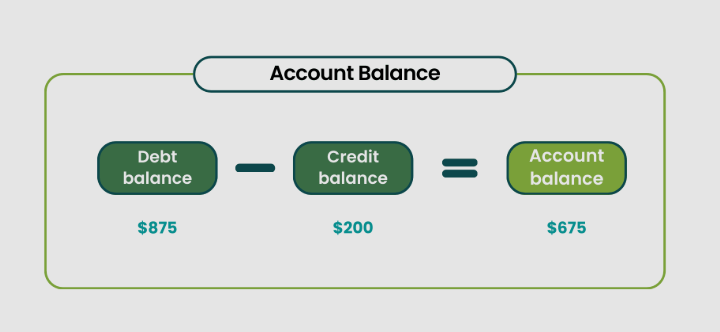
A simple way to estimate how much to keep in checking is to calculate your expected expenses until your next paycheck or income payment, then add a cash buffer.
Start by identifying your regular monthly expenses. Include housing, utilities, groceries, transportation, insurance, debt payments, subscriptions, and other recurring costs.
Next, consider irregular expenses that may occur during the month. These could include medical costs, car expenses, school costs, gifts, or other variable spending.
After estimating your normal spending, add a buffer that provides additional protection against unexpected transactions or timing differences.
For example, if your expected monthly expenses are $2,500, you might decide that maintaining $2,500 plus a $500 buffer gives you an appropriate checking balance. In this example, your target would be approximately $3,000.
The exact amount should be adjusted to your personal cash-flow pattern.
How Much to Keep in Checking If You Get Paid Monthly
People who receive one paycheck per month may prefer to keep a larger balance in checking because that account needs to cover expenses for the entire month.
If your monthly income arrives at the beginning of the month, you may use that deposit to fund rent, utilities, groceries, transportation, and other expenses throughout the following weeks.
For example, someone earning $5,000 per month and spending approximately $3,500 may choose to maintain enough money in checking to cover the upcoming month’s expenses plus a buffer.
The remaining money could be directed toward savings, investing, debt repayment, or other financial priorities depending on the individual’s situation.
The key is to understand when income arrives and when major bills are withdrawn.
How Much to Keep in Checking If You Get Paid Biweekly
If you receive income every two weeks, your checking balance may naturally fluctuate throughout the month.
You may not need to keep an entire month’s income in checking if your paychecks arrive frequently enough to cover expenses as they become due.
However, timing still matters. A large rent or mortgage payment may be due before your next paycheck, so you need enough money available at the time the payment is scheduled.
One approach is to maintain enough cash to cover upcoming bills until the next expected paycheck, while keeping an additional buffer for unexpected expenses.
People paid biweekly also receive two months each year with an additional paycheck under a typical 26-pay-period schedule. Planning ahead for those additional paychecks can help prevent them from simply disappearing into everyday spending.
How Much to Keep in Checking for Bills
Your checking account should contain enough money to cover bills that are scheduled to come due before your next expected income deposits.
Create a list of your recurring payments and their due dates. Include rent or mortgage payments, utilities, insurance, credit card payments, loans, subscriptions, and other automatic withdrawals.
If several large bills are scheduled near the beginning of the month, you may want to maintain a higher checking balance during that period.
One useful strategy is to look at your account balance based on upcoming transactions rather than simply looking at the current balance. A checking account might show $4,000 today, but if $2,500 of automatic payments are scheduled in the next few days, your truly available spending money is lower.
Understanding your upcoming cash flow can help prevent accidental overspending.
How Much Should I Keep in Checking and Savings?
Checking and savings accounts serve different purposes, so separating money between them can make financial management easier.
Checking is generally intended for everyday transactions and near-term expenses. Savings is often used for emergency funds, short-term goals, and money that does not need to be spent immediately.
For example, you could keep enough money in checking to cover your regular expenses and maintain your emergency fund separately in a savings account.
This separation can reduce the temptation to spend money that has been set aside for emergencies or future goals.
The exact amount to keep in each account depends on your income, expenses, financial goals, and access to other sources of cash.
Should You Keep One Month of Expenses in Checking?
Keeping approximately one month of expenses in checking can be a reasonable starting point for some households. It provides enough cash to handle many routine expenses without requiring constant transfers between accounts.
For example, if your average monthly spending is $3,500, you might aim to keep around $3,500 in checking, plus an additional buffer if needed.
However, one month of expenses is not a universal rule. Someone with highly predictable income may be comfortable keeping less, while someone with irregular income may prefer several weeks or more of expenses readily available.
The important point is to base the balance on your actual cash-flow needs rather than choosing an arbitrary number.
Should You Keep a Checking Account Buffer?
A checking account buffer is extra money kept above your expected spending needs. It can help protect against unexpected expenses, timing differences, and transactions that are larger than anticipated.
For example, if you normally spend $2,500 per month, you might decide to keep an additional $500 or $1,000 as a buffer.
The appropriate buffer depends on how stable your income and expenses are. People with variable income or unpredictable expenses may benefit from a larger cushion.
A buffer can also reduce the risk of overdrawing your account if an automatic payment is slightly higher than expected.
How Much Is Too Much to Keep in Checking?
Keeping too much money in checking can also be inefficient. If you consistently maintain several months of expenses in an account that earns little or no interest, some of that money might potentially be earning more elsewhere.
This does not mean you should move all excess cash into investments. Money needed for near-term expenses should remain readily accessible.
Instead, consider separating short-term spending money from longer-term savings. An appropriate savings account or other suitable cash-management option may provide a better place for money that you do not expect to spend immediately.
The right balance depends on your need for liquidity, the interest rates available, and your overall financial plan.
How Much Should You Keep in Checking for Emergency Expenses?
Your checking account and emergency fund generally serve different purposes.
A checking account is designed for routine transactions, while an emergency fund is intended for unexpected financial situations such as job loss, major repairs, or significant unplanned expenses.
Rather than keeping your entire emergency fund in checking, you may choose to maintain it in a separate savings account that remains accessible when needed.
Separating the two can make it easier to see how much money is available for everyday spending and how much is reserved for emergencies.
The appropriate emergency-fund amount depends on your income stability, essential expenses, household circumstances, and other factors.
How Much Should I Keep in Checking as a Student?
Students may have different checking needs because their income and expenses can vary significantly.
If you have a part-time job or receive regular financial support, you may only need enough money in checking to cover your expected expenses until your next income payment.
Students should consider recurring costs such as housing, food, transportation, tuition-related expenses, subscriptions, and school supplies.
Because student budgets can be relatively limited, keeping a small buffer can be especially useful. At the same time, separating savings from spending money can help prevent accidentally using money reserved for future expenses.
How Much Should Retirees Keep in Checking?
Retirees may need to approach checking balances differently because they may receive income from several sources, such as Social Security, pensions, investment withdrawals, or other retirement income.
A retiree may choose to maintain enough in checking to cover regular expenses between income deposits. The appropriate buffer depends on the frequency and reliability of those income sources.
Large annual or irregular expenses should also be considered. Property taxes, insurance premiums, medical expenses, travel, and home repairs can create periods of higher cash requirements.
Keeping a clear schedule of expected income and expenses can help determine an appropriate checking balance.
How Often Should You Review Your Checking Balance?
Checking your account regularly can help you understand your actual cash flow and identify transactions that may require attention.
You do not necessarily need to obsess over the balance every day, but reviewing your account at least once or twice a week can help you stay aware of upcoming bills and recent spending.
It can also be helpful to review your recurring payments periodically. Canceling subscriptions you no longer use and identifying unexpected charges can improve your overall financial organization.
Your ideal checking balance may change over time as your income, expenses, household circumstances, and financial goals change.
Ways to Avoid Keeping Too Much Money in Checking

One way to avoid accumulating excessive cash in checking is to automate transfers to savings. For example, you could schedule an automatic transfer shortly after receiving your paycheck.
You can also establish a target checking balance. Once your account consistently exceeds that target, you can move excess funds toward savings, debt repayment, or other financial goals.
Another useful approach is to maintain separate accounts for different purposes. Having dedicated savings for emergencies, annual expenses, and specific goals can make it easier to avoid using money intended for another purpose.
Automation can make these habits easier to maintain because financial decisions do not have to be made manually every time you receive income.
Common Mistakes When Managing a Checking Account
One common mistake is focusing only on the current account balance without considering upcoming transactions. A large current balance can be misleading if several significant payments are scheduled soon.
Another mistake is keeping too little money available and relying on every paycheck arriving exactly when expected. Delayed deposits, unexpected expenses, or higher-than-usual bills can create cash-flow problems.
Some people also keep their emergency fund in the same account they use for daily spending. This can make it difficult to know how much money is genuinely available for discretionary purchases.
Finally, keeping large amounts of money in a low-interest checking account for long periods may mean missing opportunities to earn interest on cash that is not needed for immediate expenses.
Final Thoughts on How Much to Keep in Checking
The answer to how much to keep in checking depends on your individual cash flow rather than a single universal dollar amount. A useful starting point is to keep enough money to cover your upcoming bills and normal spending, plus a reasonable buffer for unexpected expenses.
For many people, approximately one month of regular expenses plus a modest cushion can be a practical starting point. However, people with irregular income, large upcoming expenses, or less predictable cash flow may prefer to keep more readily available.
Your checking account should generally be used for short-term spending and regular bills, while longer-term savings and emergency funds can be kept separately.
Review your checking balance regularly, understand your upcoming transactions, and adjust your target as your financial situation changes. The goal is to maintain enough liquidity to feel financially secure without unnecessarily leaving excess cash in an account that may provide limited interest.